
Planning SEND and Inclusion Learning Spaces
A guide for schools and multi-academy trusts
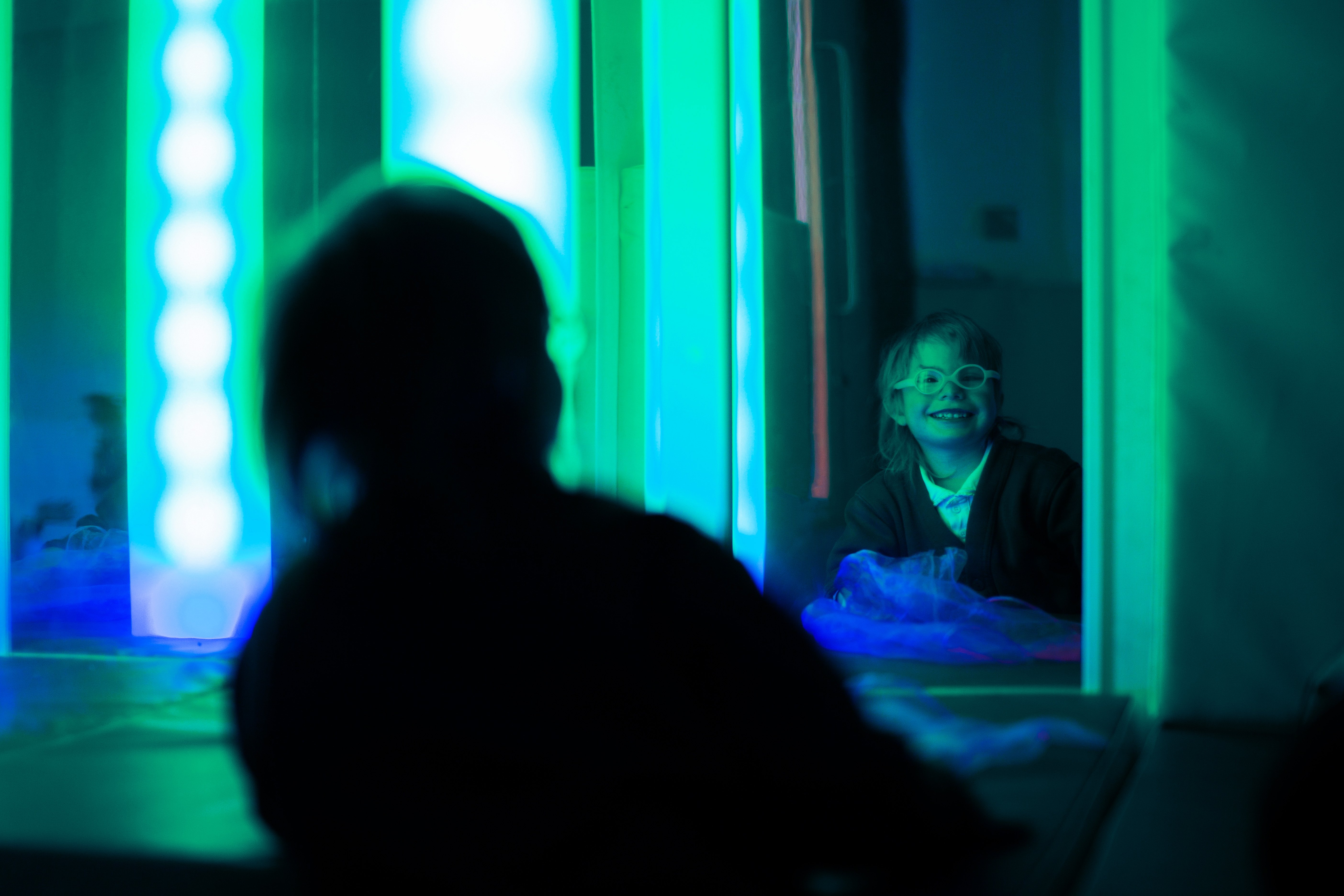

The most effective learning environments begin with people, not products. By understanding your pupils, staff, objectives, and available space first, you can create a meaningful environment that delivers lasting impact, regardless of room size or budget.
Creating inclusive learning environments has become a growing priority for schools and multi-academy trusts across the UK. As pupil needs continue to evolve, many schools and MATs are reviewing not only the support they provide but also the environments in which that support is delivered.
The most effective SEND and inclusion spaces are not defined by equipment alone. They are carefully planned environments designed around the needs of pupils, staff and the wider school community.
This guide is intended to help education leaders, SENCOs, School Business Managers and MAT leaders review their current provision, identify opportunities for improvement and plan spaces that support inclusion, wellbeing and learning.
Contents
In This Guide:
Understanding the needs of your pupils.
Start With The Challenge, Not The Space
Before looking at available rooms or choosing equipment, take time to identify the challenges your school or MAT wants to address. Your priority might be helping pupils regulate their emotions during the school day, improving engagement, strengthening intervention support or creating a better space for small group learning.
The best projects start with a clear goal. Once you know the outcome you want to achieve, you can design a space that supports it and gives pupils the greatest benefit.
Questions worth considering include
What barriers are preventing your pupils from fully accessing learning?
Which additional pupil needs are becoming more prevalent?
Are existing support spaces achieving their intended purpose?
What changes could make your setting more inclusive and accessible?
The right environment may already exist within your school.
Reviewing Existing Spaces
One of the biggest misconceptions around SEND and inclusion projects is that they require additional buildings or significant construction work. In reality, many successful projects begin with spaces that already exist within the school.
Many organisations are surprised by what can be achieved within existing spaces. A small room, library corner, breakout area or underused space can often become an effective sensory room solution or immersive environment.
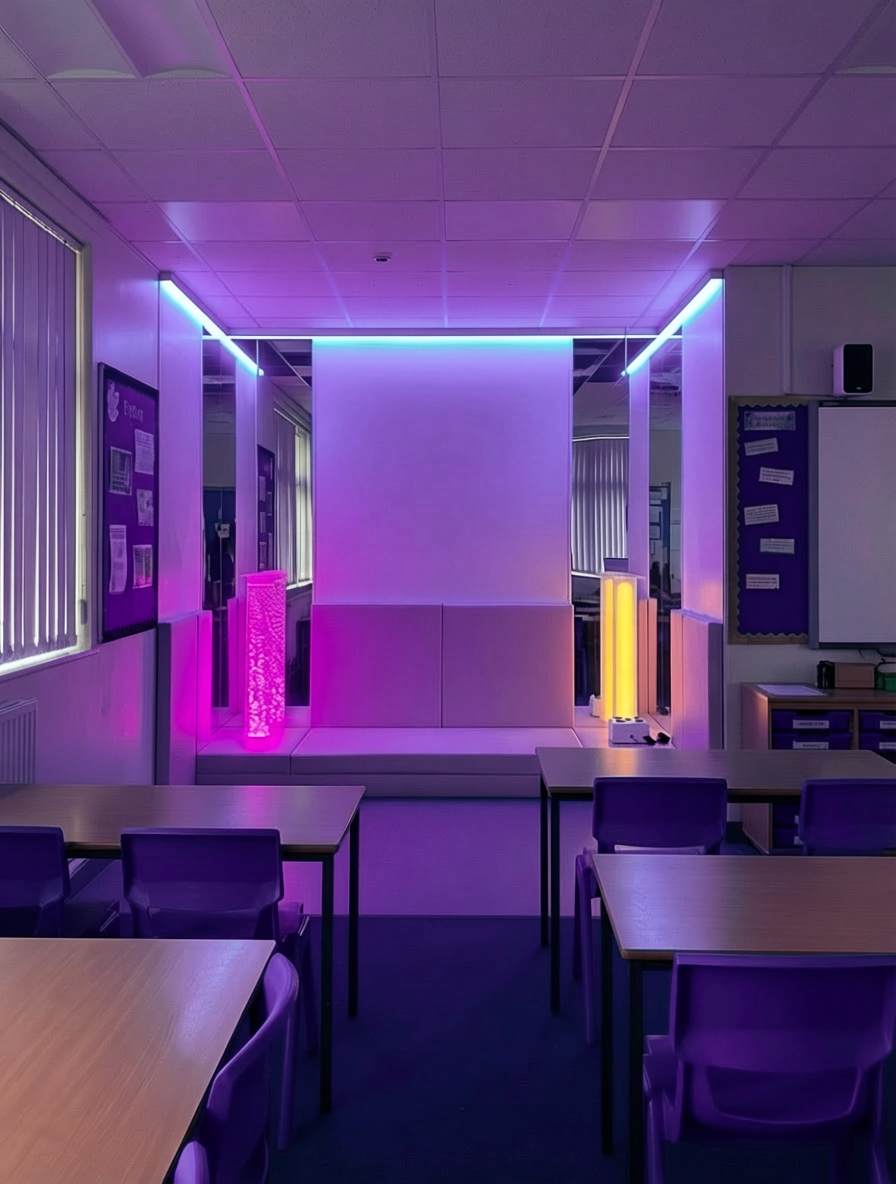
Create an environment that works for every pupil.
Accessibility and Inclusion Considerations
There is more to creating inclusive spaces than just physical access. Schools and academies are increasingly looking at how pupils access information, communicate, participate in learning and navigate their environment independently. When reviewing a space, you might want to consider:
- Physical accessibility and movement around the room
- Environmental factors such as lighting, sound and visual distractions
- Communication needs and assistive technology requirements
- How pupils access learning materials and activities
Many educators are now taking a broader approach to accessibility and inclusion by integrating sensory and immersive technologies into their existing spaces. These offer multi-use environments that benefit pupils across the curriculum while supporting a variety of needs.
Match the Environment to Your Needs.
Choosing the Right Environment
No single solution suits every school. Sensory rooms support regulation and relaxation, while immersive environments encourage communication, learning and participation.
The most successful projects are those that align the environment with the outcomes the school wants to achieve. So, rather than asking "What type of room should we build?", a more useful question is often "What challenges are we trying to solve?".
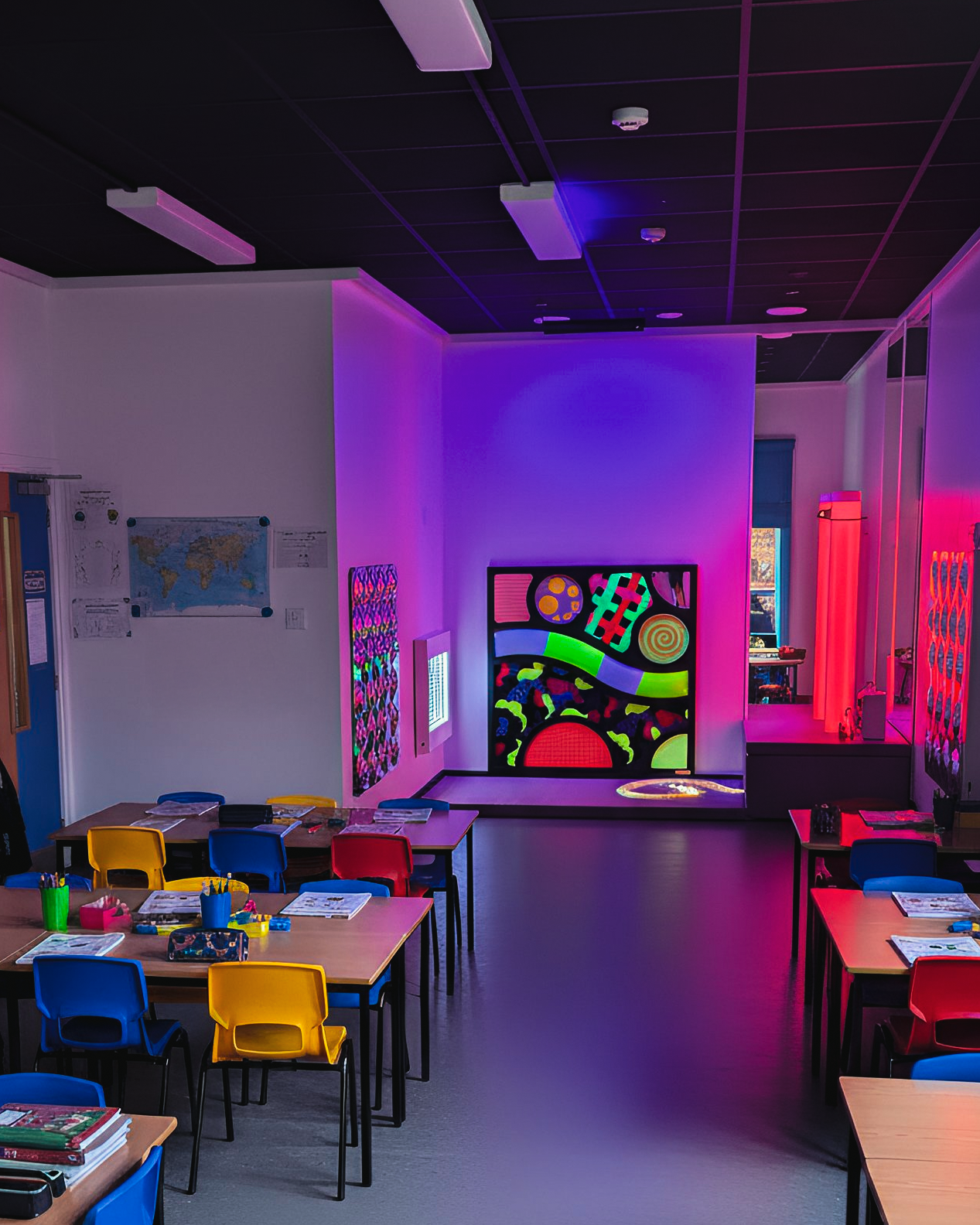
Effective SEND provision can be achieved at a range of budgets.
Budget and Funding Considerations
Budget is naturally an important part of any school improvement project. The good news is that impactful SEND and inclusion environments do not always require significant upfront investment. Many schools and MATs choose a phased approach, focusing on the areas likely to have the biggest impact first.
Alongside existing SEND budgets, accessibility funding, capital investment programmes and wider school improvement initiatives, schools and MATs may also be able to access the Department for Education's Inclusive Mainstream Fund. The fund supports inclusive practice and identifies inclusive environments as a recommended area of investment, making sensory rooms and immersive classrooms a strong fit.
Did you know Aurora offers flexible payment plans that allow schools and MATs to spread the cost of sensory rooms, immersive classrooms and inclusion spaces over two to five years? Our flexible payment options could help deliver your next project sooner than you think.
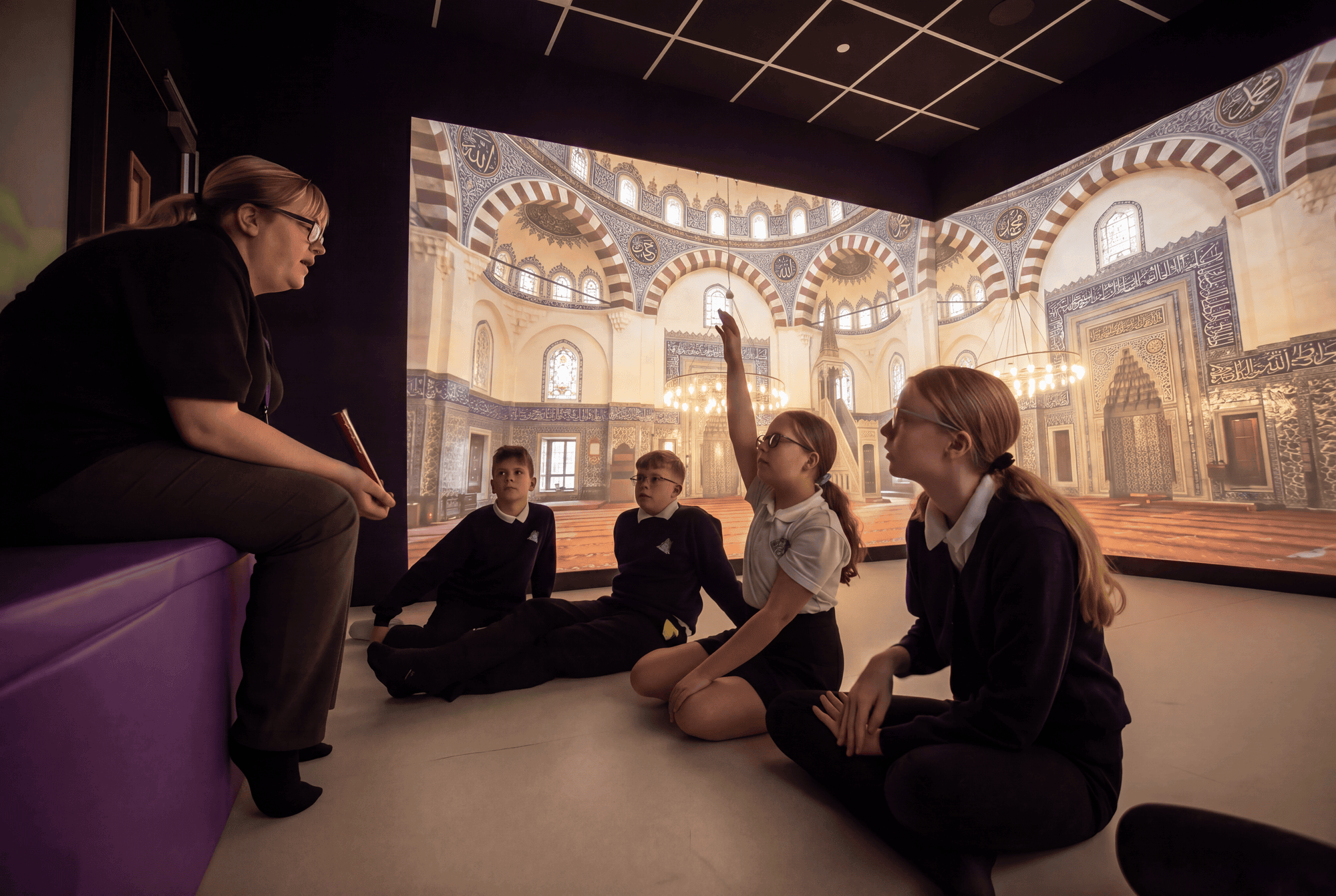
Real-world sensory and immersive projects.
Learning From Other Schools
Across the UK, schools and academies are creating environments that support pupils in different ways. Every project is different, but the most successful begin with a clear understanding of pupil needs and intended outcomes.
No vision is too big and no project is too small for inclusive provision. Aurora sensory and immersive environments can be adapted to your space and budget.
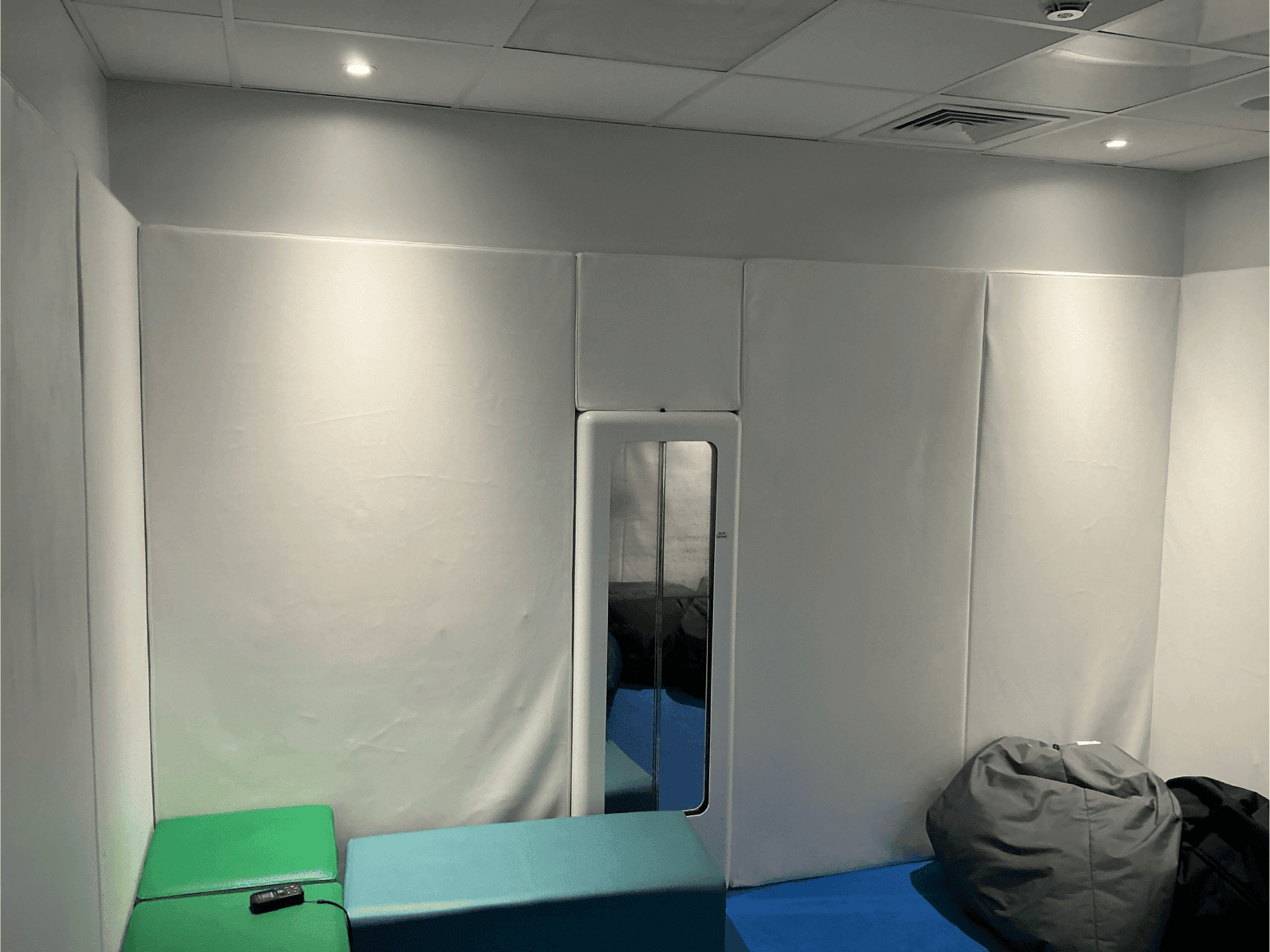
Before
Underused padded room Rotherham College, South Yorkshire.
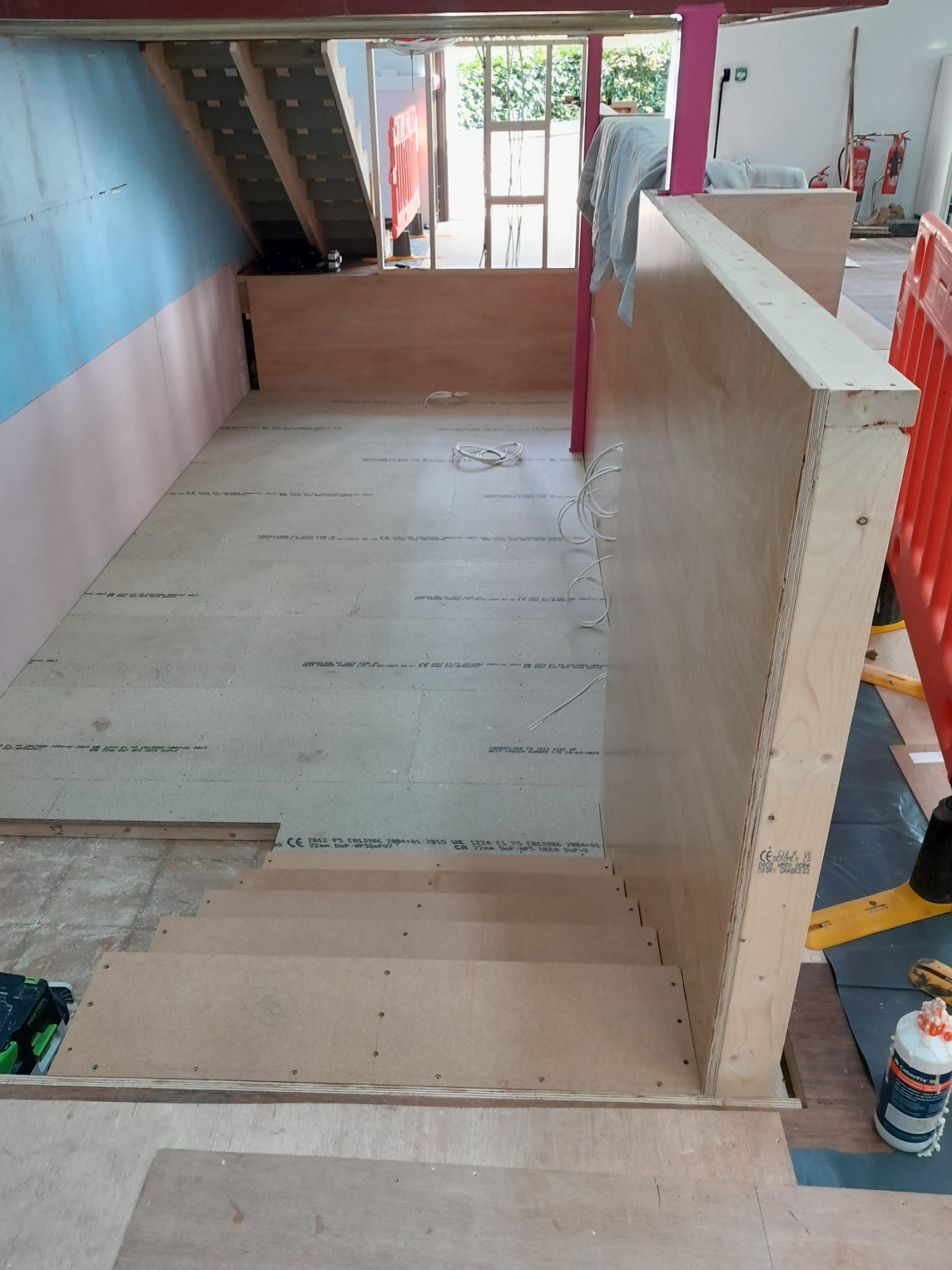
Before
Underused reading corner Exeter Library, Devon.
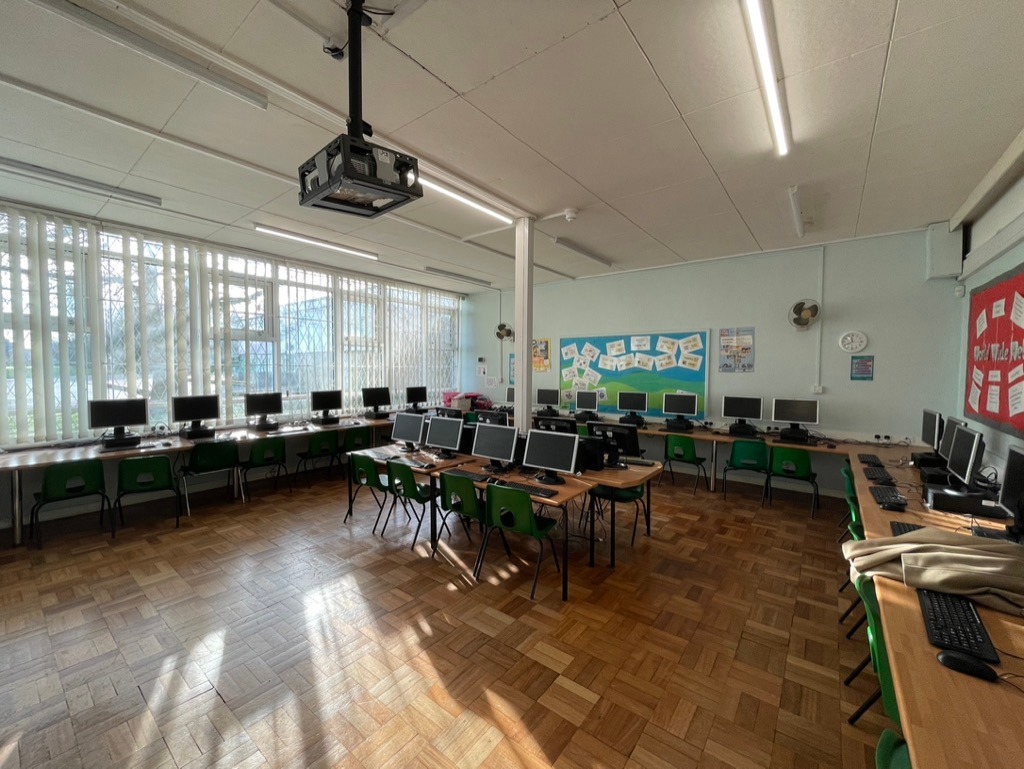
Before
Former IT suite St James C of E Academy, Coventry.
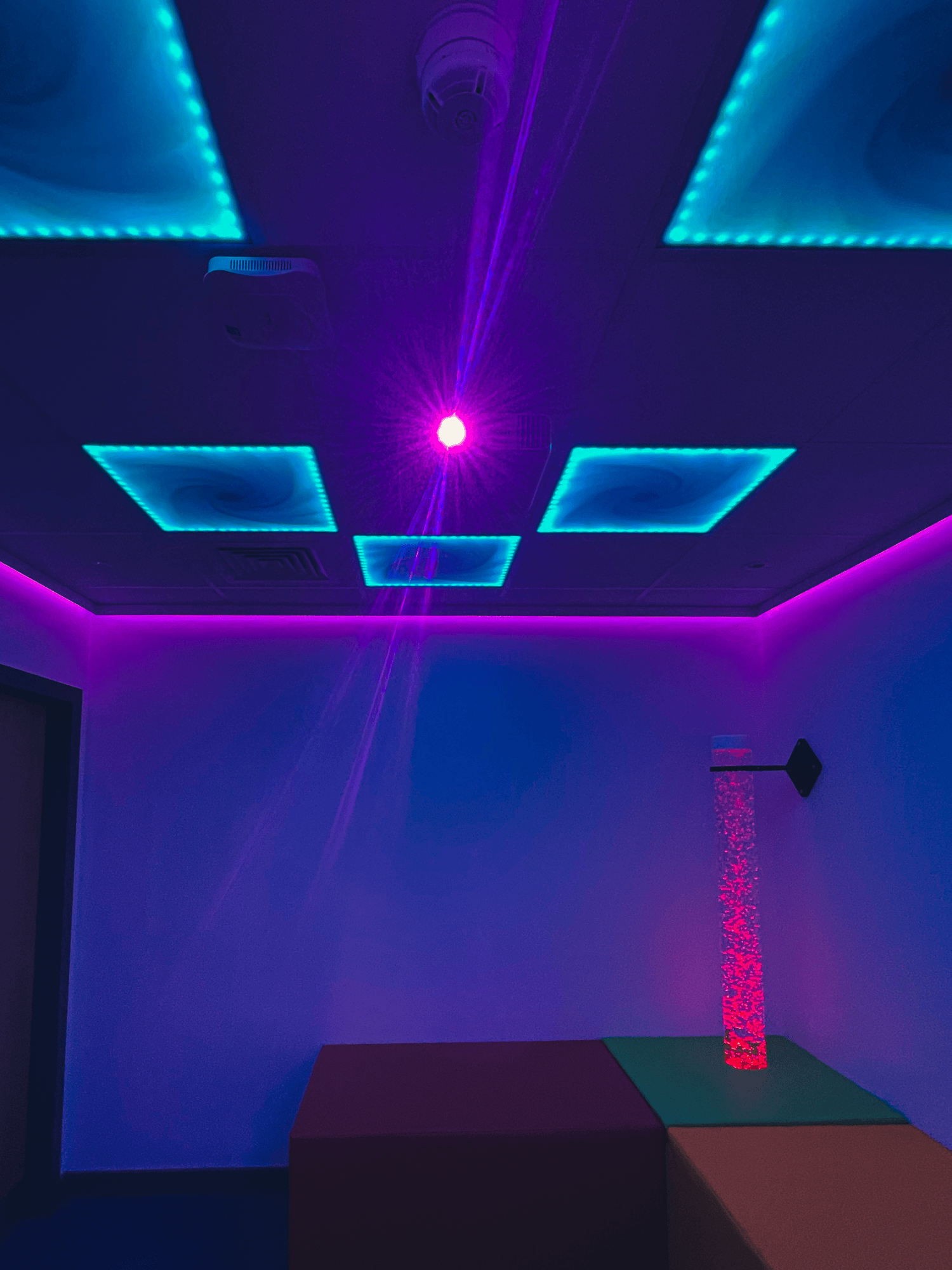
After
Small-scale sensory area
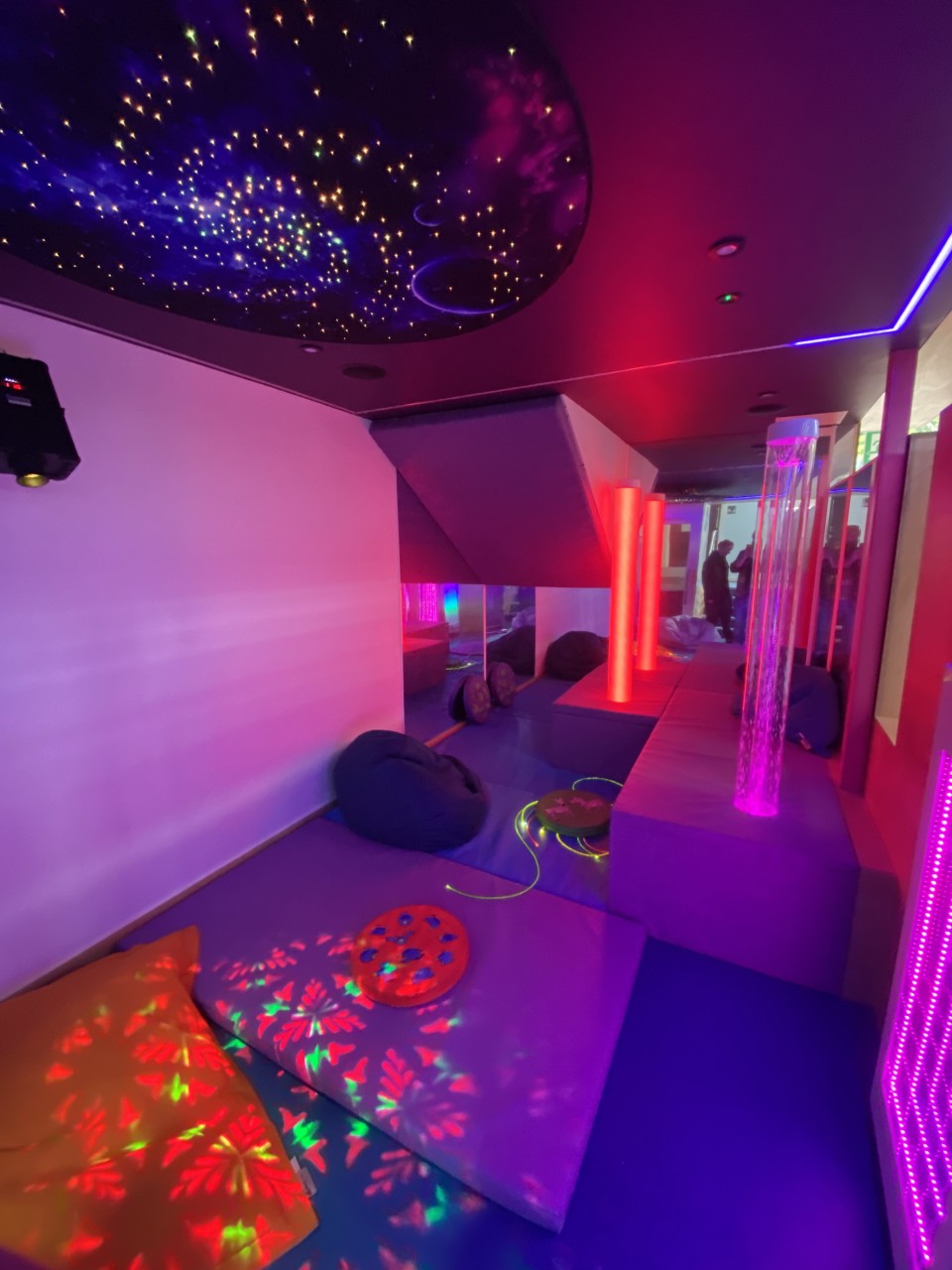
After
Mid-scale sensory space

After
Full immersive classroom
Key questions to consider before starting your project.
Planning Checklist
The most effective SEND and inclusion spaces are designed around people, not products. Before planning, consider using this checklist:
- Have we identified the key challenges we want to address?
- Have we reviewed all suitable existing spaces?
- Have we consulted staff and stakeholders?
- Have accessibility requirements been considered?
- Have we defined clear success measures?
- Have we considered future pupil needs?
- Have we identified available funding sources?
- Have we explored examples from other schools?
By reviewing existing provision, understanding pupil needs and planning strategically, schools and MATs can create environments that support wellbeing, engagement and learning for years to come.
Join Our Free Webinar
The Universal Offer: Making Sensory Support Work in Mainstream Schools
15th October 2026 | 9:30am BST | Approx. 30 mins + Q&A
Led by Kate Whittlesey, Director of Education at AccessHub, National SEND Improvement Consultant and former SENCO. Kate has led SEND strategy at Local Authority, regional, and MAT level, and now advises schools and MATs across the country on inclusion, audits, and governance.
Joined by Matt Livesey (Aurora) and Pat McMahon (AccessHub) for practical advice on sensory provision in mainstream schools.


About Aurora
Aurora is the UK’s trusted provider of sensory and immersive rooms, backed by over 50 years of combined expertise in sensory and immersive technology. As a division of Osborne Technologies Ltd, established in 1996, Aurora designs and installs tailored multi-sensory spaces and immersive environments for the education sector.
With hundreds of installations across the UK, our spaces help children feel calmer, more focused and more engaged, supporting ongoing development, sensory regulation and emotional wellbeing.
Every space is designed around the people who use it, adapting to individual needs, supporting different lessons, activities and purposes throughout the day.

About AccessHub
AccessHub helps schools consider the broader accessibility picture. Drawing on years of practical accessibility experience, AccessHub helps schools review, improve, track and evidence accessibility across the whole school.
Built on over 70 technical and legal standards and shaped by a multidisciplinary team of experts, it brings together audits, guidance, recommendations and action tracking into one clear, structured approach.
AccessHub isn’t another SEND tool or compliance checklist, nor does it replace your MIS. Instead, it fills a clear and important gap by providing a practical, whole-school framework that builds on the work schools already do every day to be more accessible.
Schools where every pupil can thrive