


Written by
Matthew Livesey
Sales Manager
15 Oct 2026
A dedicated sensory or immersive space can be a valuable part of a school's provision, but sensory support can also be incorporated throughout the wider school environment.
Five considerations for schools and multi academy trusts
What Does an Effective Universal Offer Look Like in Practice?
Sensory support in mainstream schools is about more than having a dedicated sensory room. It starts with understanding the individual needs of pupils and considering how the environment, everyday practice and targeted support can work together to create a more supportive, inclusive experience for every learner.
That was the focus of our recent webinar with AccessHub, The Universal Offer: Making Sensory Support Work in Mainstream Schools, where we explored practical ways schools can approach sensory provision, regulation and inclusive environments.
Building on those discussions, this guide offers five key considerations for schools and multi-academy trusts:
Support for every pupil
Start With the Universal Offer
The Universal Offer is about what is available to pupils as part of everyday school life, before more specialist intervention is needed. For sensory support, that means looking at the wider environment and considering whether there are simple ways to reduce barriers to learning and participation.
This could include thinking about:
- Lighting, acoustics and visual stimulation within the school environment
- Classroom layouts and how spaces can support different sensory needs
- Opportunities for movement, sensory breaks and regulation throughout the school day
- Smaller sensory features or areas that can provide additional support within everyday settings
- How dedicated sensory spaces, sensory equipment and environmental adaptations can work together
The aim is not to create the same environment for every pupil, but an environment tailored to a range of needs.
Think beyond dedicated spaces
A Sensory Room Is Not the Only Answer
Not every school has the space or budget for a dedicated room or large sensory environment.
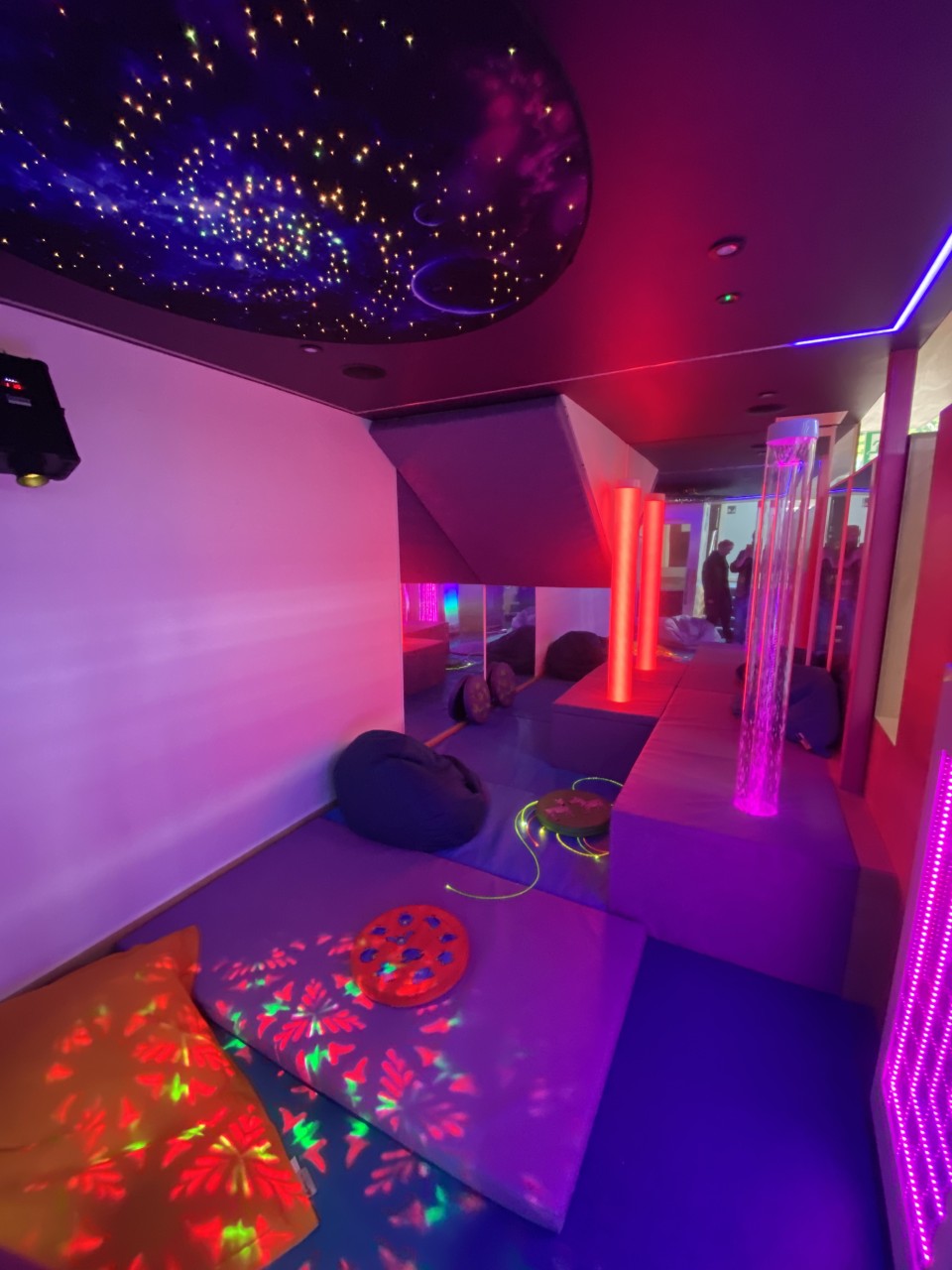
Birdwell Primary School in Barnsley transformed an underused storage area into a compact Aurora sensory space, designed around the needs of younger pupils in EYFS and KS1.
The area combines an air tube, ambient lighting, audio and bespoke padded furniture to create a calm, engaging escape that helps children self-regulate and access activities with greater independence.
It's a good example of how sensory provision can be shaped around the needs of pupils and the space available, rather than starting with a particular room or piece of equipment.
Sensory provision can be introduced in a variety of ways, including:

Adapting existing areas
Underused corners and alcoves can provide quick wins
Creating regulation spaces
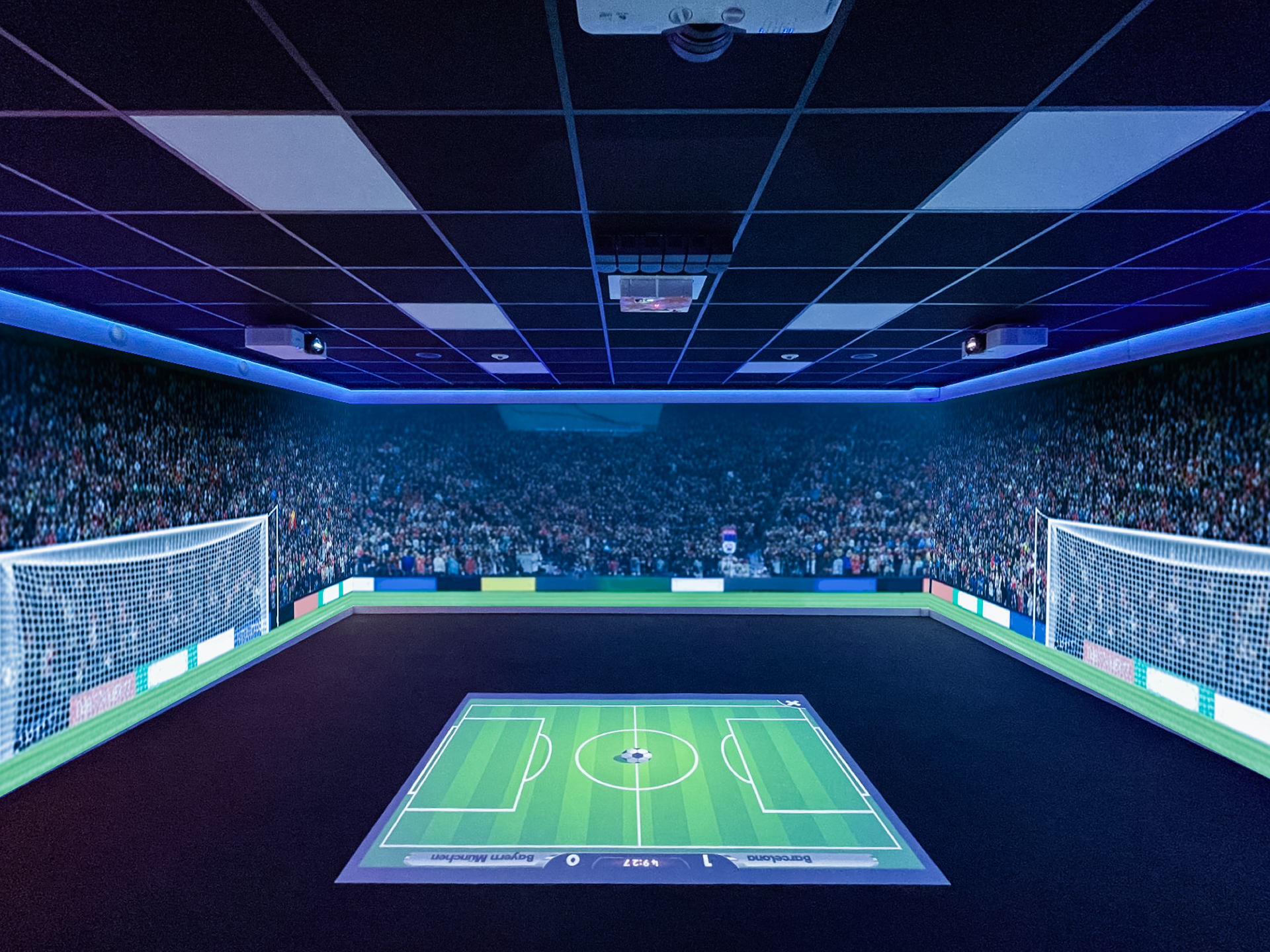
Quiet areas provide opportunity to pause and reset
Using immersive environments
Light, sound, movement and projection spark engagement
Have an idea in mind?
Get free advice, tailored to your space and budget
Support regulation early
Think About Regulation Before It Becomes a Crisis
Supporting regulation is not only about responding when a pupil becomes overwhelmed. Creating predictable, supportive environments can also form part of a preventative approach.
Consider whether pupils have access to spaces and experiences that allow them to pause, regulate and return to learning. Small environmental considerations can make a difference, from lighting and sound to movement, sensory input and the way a space can be used.
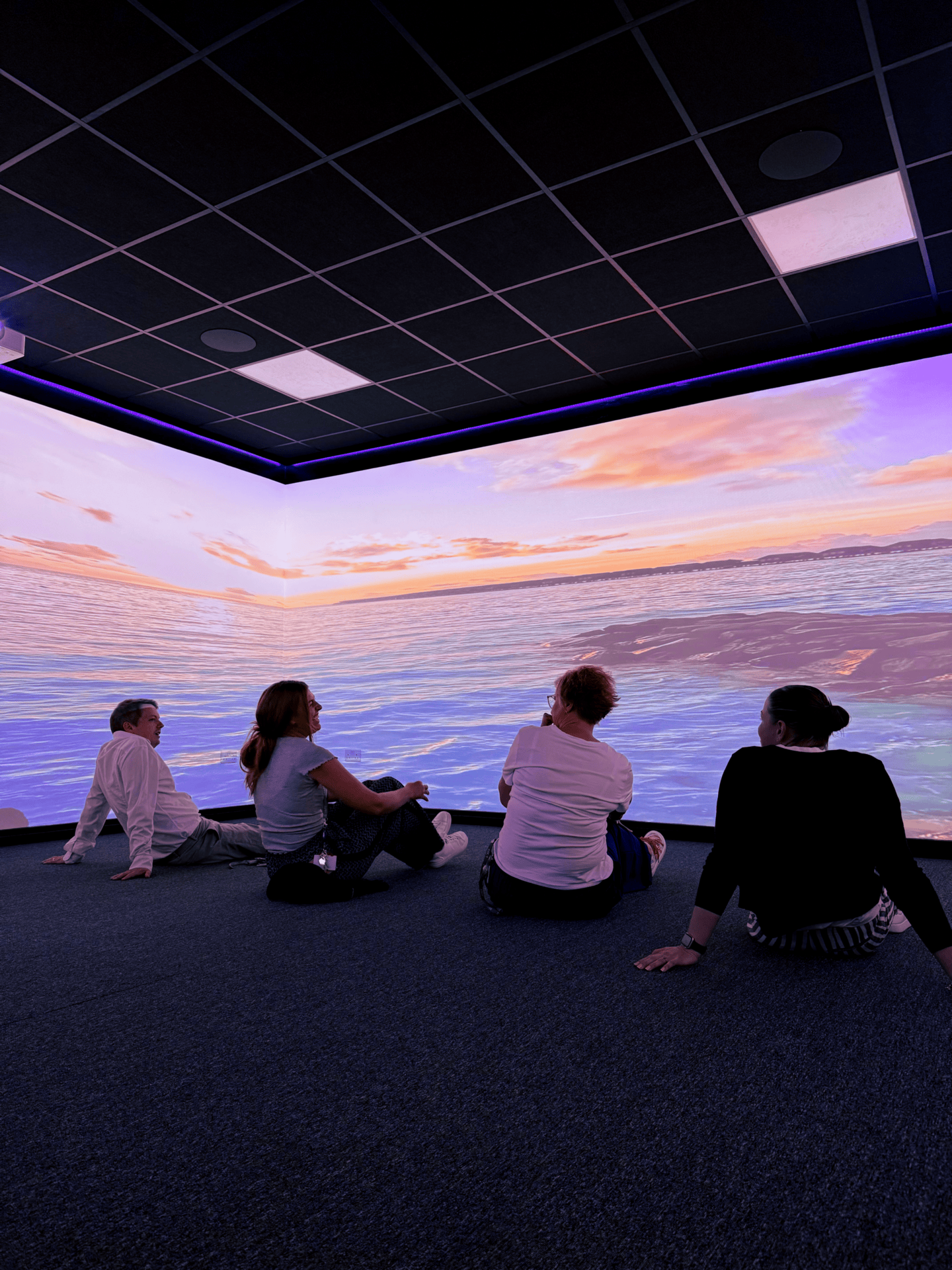
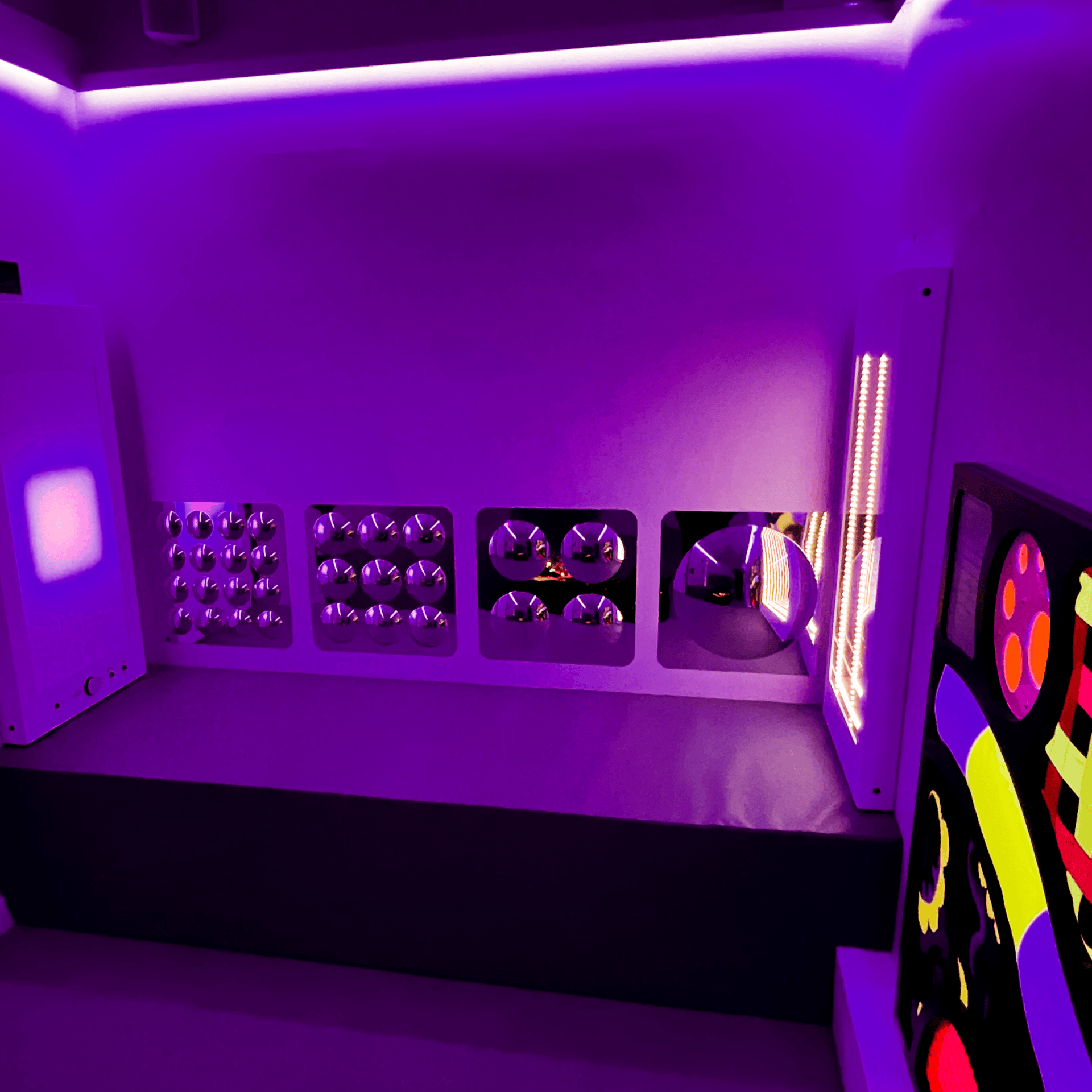
At Danecourt Special School, Aurora created an immersive classroom alongside multiple sensory spaces, providing different environments for learning, sensory exploration and regulation. The spaces were designed around the needs of the pupils using them, rather than taking a one-size-fits-all approach.
Features
- Cathryn Falconer, Danecourt School, HeadteacherWe are really happy. Aurora have listened to exactly what we wanted and created a provision that will meet the needs of our children.
- Lou Elliott, Danecourt School, Assistant HeadteacherSome of our autistic learners with complex communication needs have found pleasure and their voice in seeing Julia Donaldson’s books come to life.
Ensure support is practical
Make Interventions Work in Practice
Sensory interventions work best when they are practical, purposeful and built into the realities of everyday school life.
Our webinar explored sensory circuits and the considerations that can support successful implementation, including timetabling, staff involvement and consistency. The environment should support the intervention, rather than make it more difficult to deliver.
Ask yourself:
Can pupils access the space easily?
Think about location, accessibility and transitions.
Do staff understand its purpose?
Clear guidance supports confident and consistent use.
Can activities be adapted?
Consider different needs, abilities and sensory responses.
How does it fit alongside existing provision?
Ensure it complements current support and routines.
Consider the bigger picture
Look Beyond the Environment
Perhaps the most important starting point is to consider what you want the space to achieve for pupils, rather than starting with the technology itself.
A well-designed immersive experience can create opportunities for pupils to regulate, engage, explore and participate. The combination of sensory elements, from immersive visuals and sound to interactive features and tactile resources, can help create an environment that is purposeful, engaging and responsive.
At Epinay School in South Shields, for example, Aurora created an immersive classroom that is used across the curriculum, bringing subjects and experiences to life in a way that supports engagement and learning.
Hear it directly from Headteacher, Chris Rue, who shares the impact of inclusive learning:
Let's plan the right provision for your setting