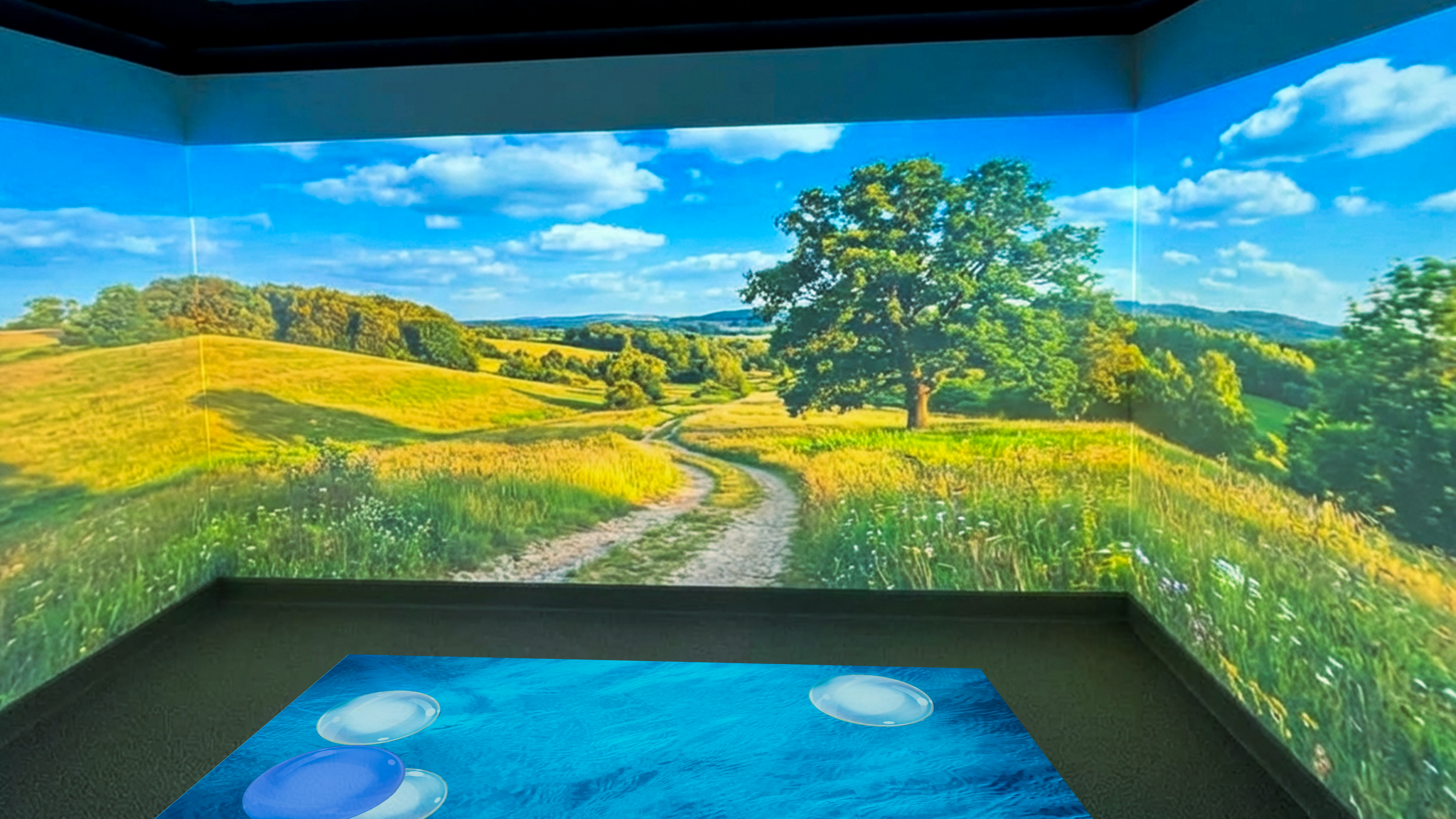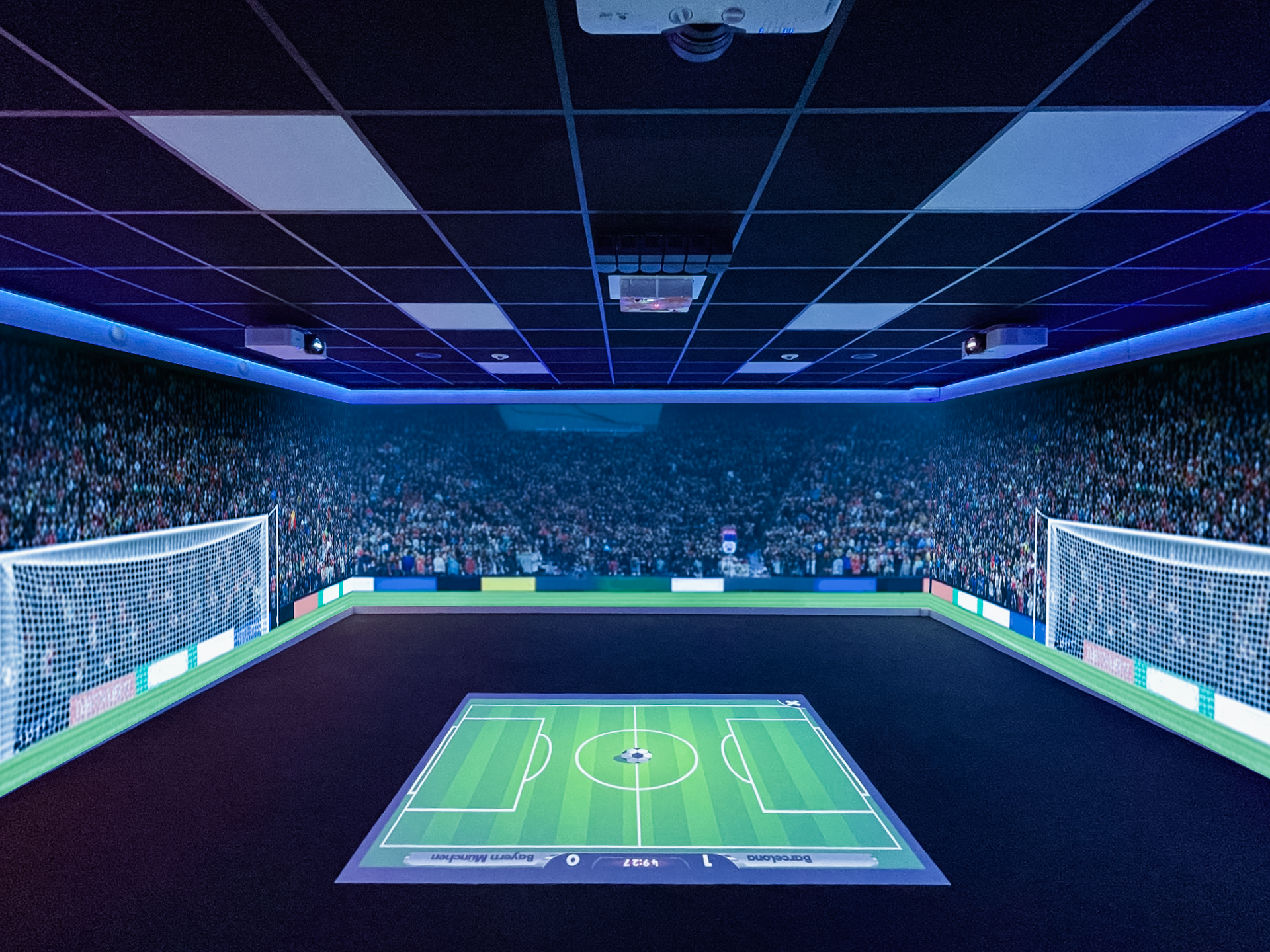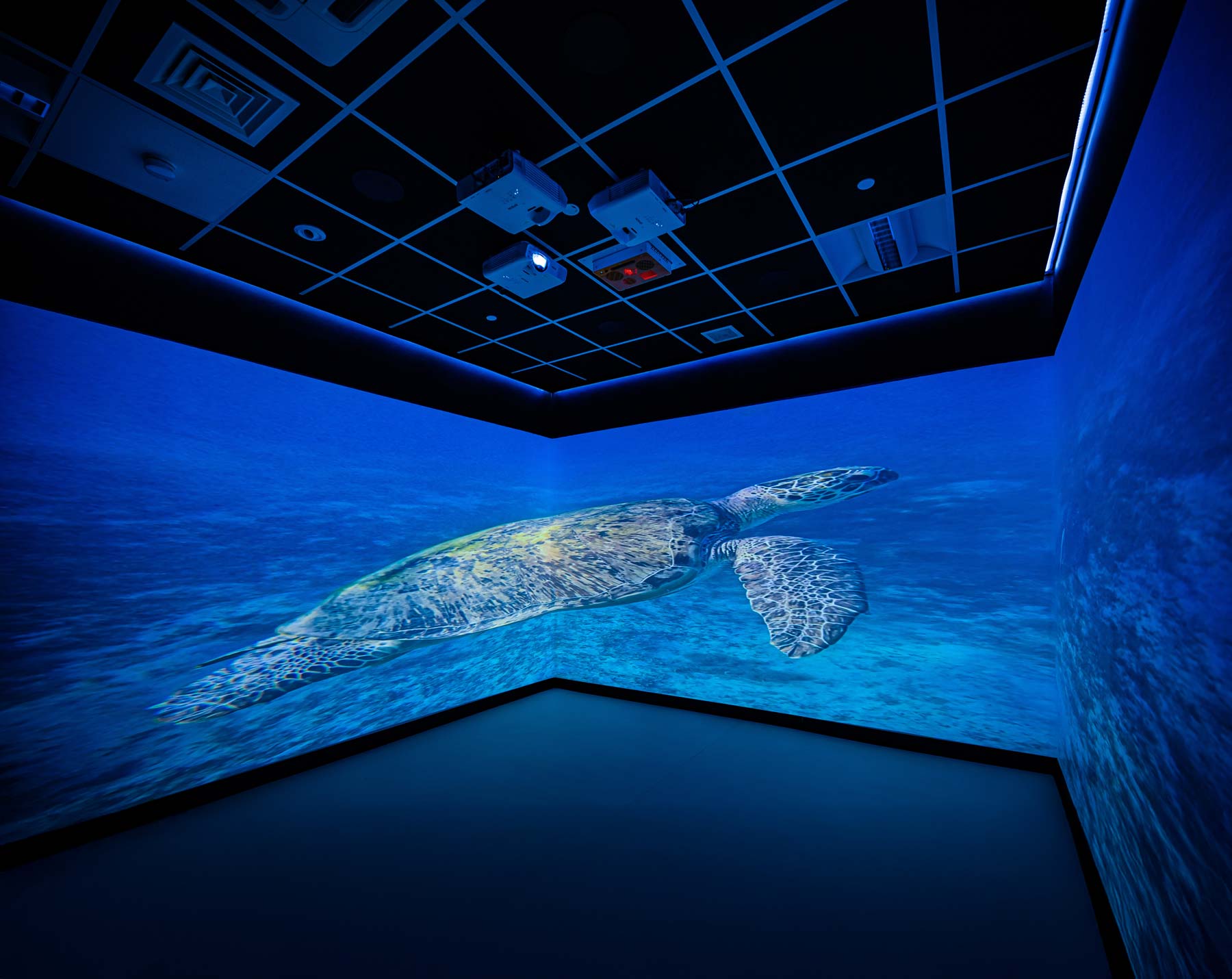
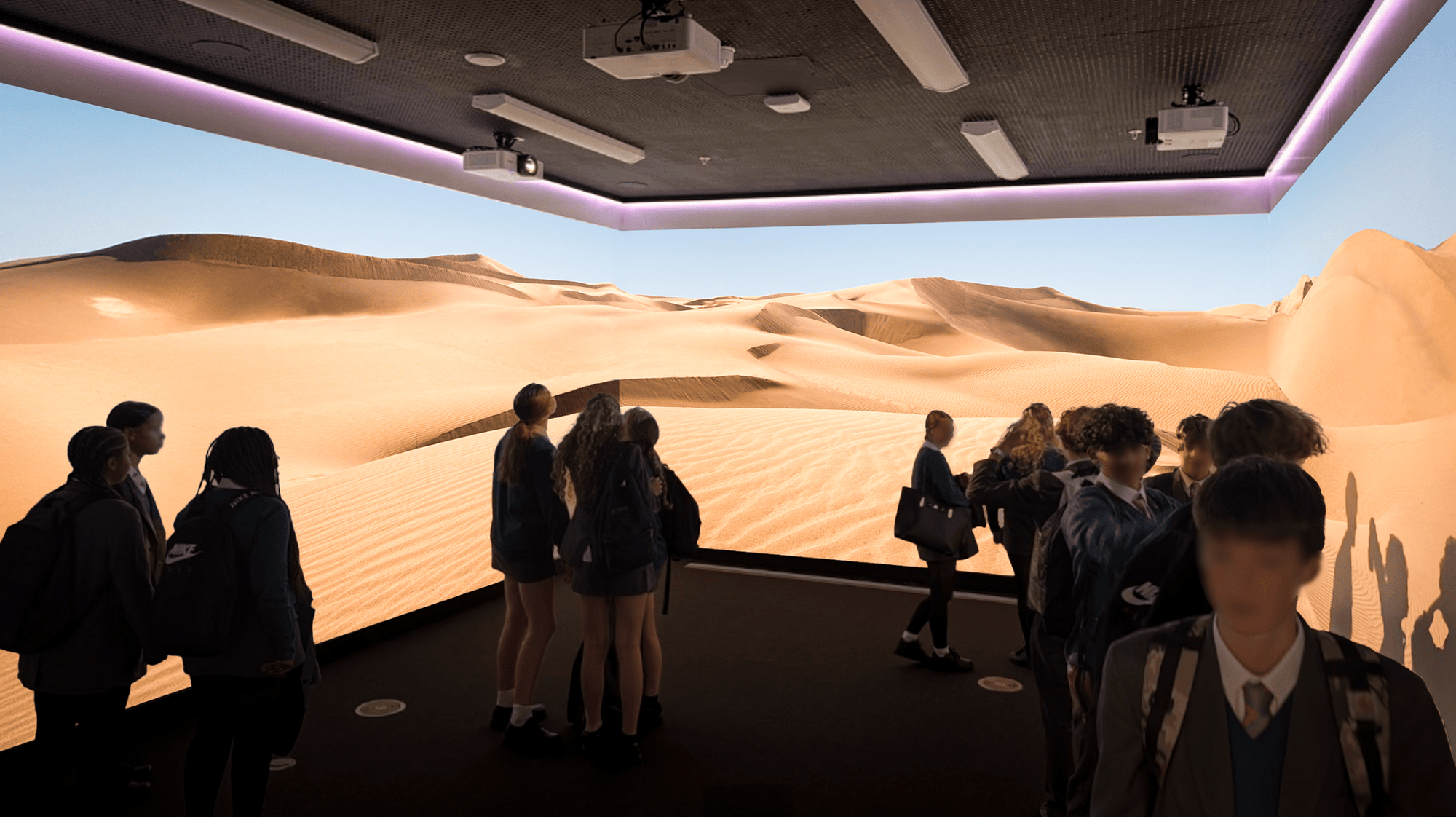

"If schools are being encouraged to trial technology before committing, then immersive learning offers a powerful case study into what experience-led education can look like."
For many pupils, especially those with SEND or limited access to enrichment beyond the classroom, the world can feel small. Trips are expensive, travel is difficult, and sensory overload can make new environments intimidating rather than inspiring.
Yet schools are being asked to do more than deliver curriculum. They are being asked to develop cultural capital: the knowledge, experiences and confidence that helps young people thrive beyond the school gates.
Every child deserves access to experiences that broaden horizons and build confidence. Today, immersive environments allow pupils to explore places such as Shakespeare's Globe, stand among the stones at Stonehenge or journey through the rainforest, all within the familiarity of their own school.
At its heart, this isn't about technology. It's about giving every pupil the opportunity to experience places, cultures and ideas they may never otherwise encounter.
SEND, Technology and the Shift in Educational Thinking
Recent discussions with national education bodies highlight a growing recognition that technology must be used to support inclusive teaching. Schools are being encouraged to explore tools that help pupils with SEND engage in learning in ways that suit them.
For many learners with additional needs, real-world visits can be overwhelming. Busy museums, long journeys and unfamiliar environments can limit participation rather than enhance it. Yet these pupils deserve the same exposure to culture, history and wider society as anyone else.
We've seen this first-hand at schools including Teddington School, Fitzalan High School and Epinay School, where immersive environments support everything from curriculum delivery and cultural enrichment to emotional regulation and confidence building.
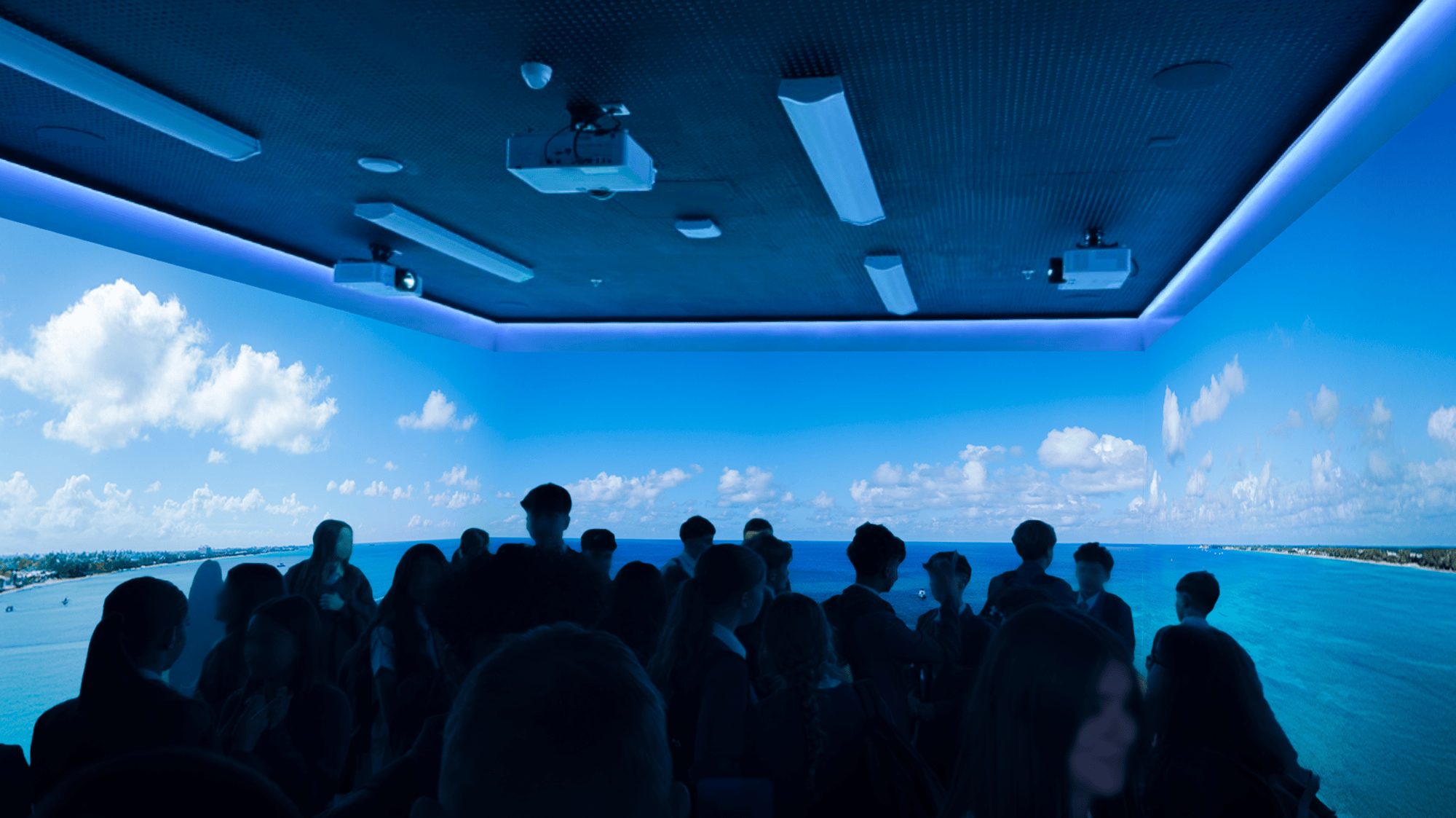
Building Cultural Capital Through Experience
Ofsted defines cultural capital as the essential knowledge pupils need to be educated citizens. That includes art, history, place, language and shared experience. For some children, these experiences happen naturally, but for others, school is the only place they will encounter them.
Imagine an inner-city school in Bradford. Now imagine its pupils stepping into an immersive environment and finding themselves inside:
- Shakespeare’s Globe Theatre
- The stone circle at Stonehenge at sunrise
- A rainforest ecosystem
- A bustling Roman forum
- A medieval castle
Not through text or worksheets, but through presence. These experiences build context, confidence, curiosity and connection. It turns abstract ideas into lived understanding.
Why This Matters for SEND Learners
For many pupils with SEND, learning is most effective when it engages more than words on a page. Immersive learning environments for schools can support visual learning, movement, repetition and safe exploration, helping pupils engage with new ideas in ways that suit their individual needs.
Rather than simply reading about a rainforest or Roman Britain, pupils can experience these environments together in a familiar, supportive setting. That sense of presence helps build understanding, confidence and curiosity.
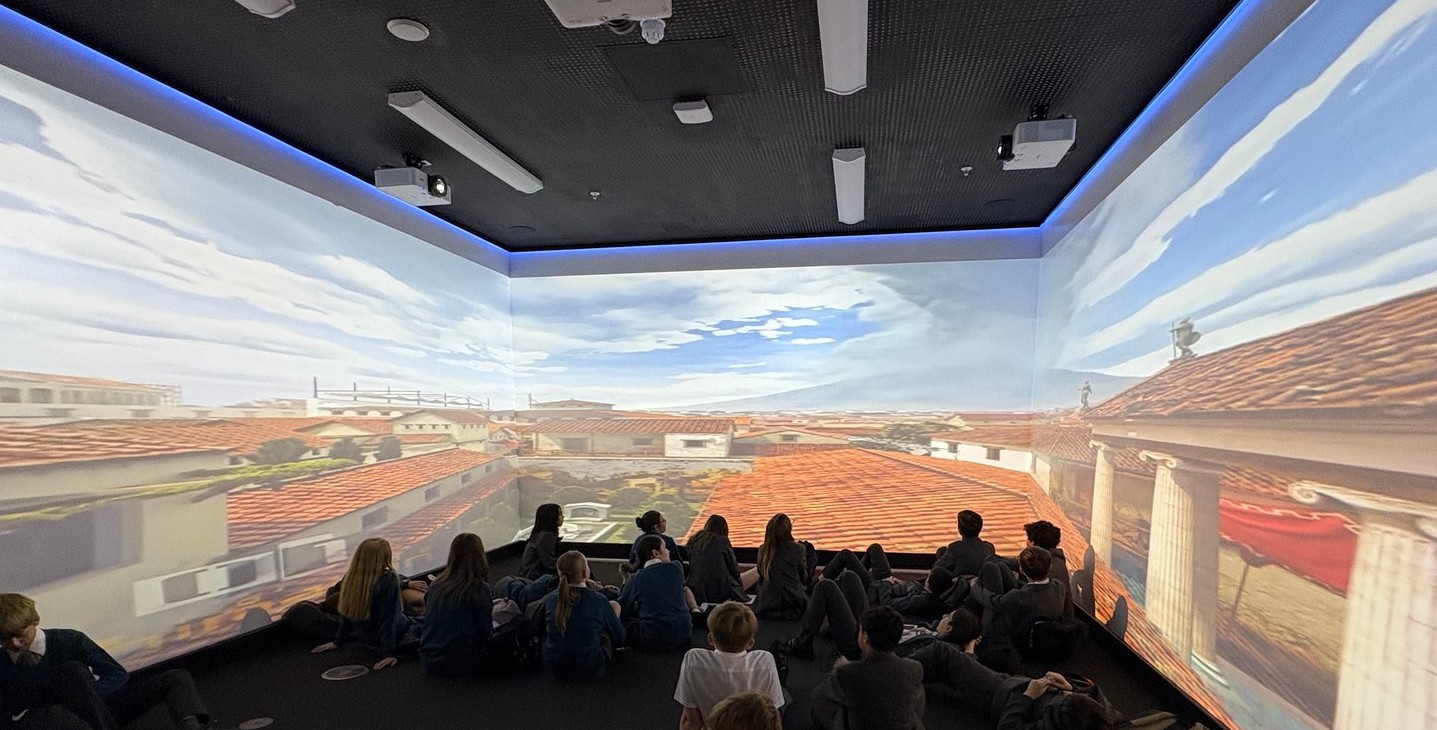
One Space. Countless Learning Opportunities
An immersive environment quickly becomes one of the most flexible spaces in a school.
Teachers use it to enrich literacy, history, geography, science and PSHE. SEND teams use it to support emotional regulation and sensory needs. Senior leaders use it to strengthen inclusion and widen access to meaningful experiences.
The result is one space that supports pupils across the curriculum and throughout the school day.
Preparing Pupils for Life Beyond School
Cultural capital is not only about knowledge, it is about belonging, and when pupils experience environments beyond their own streets, it reshapes how they see themselves. They are not only learning about the world, they are finding their place within it.
That is especially powerful for pupils who face additional challenges.
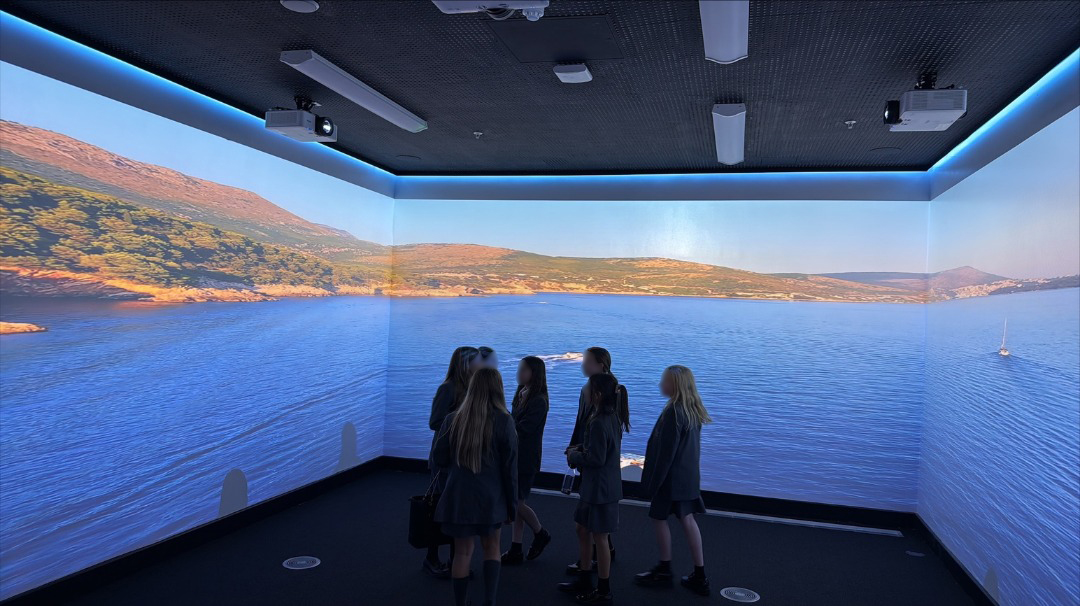
Looking Ahead
As expectations around inclusion continue to evolve, schools are looking beyond individual technologies and focusing on outcomes. The real value of immersive and sensory environments lies in the opportunities they create: greater access, richer experiences, stronger engagement and more confident learners.
Because every pupil deserves the chance to experience the world, regardless of the barriers they face.
Let’s Talk About Your Space
If you are exploring new ways to support learners, develop cultural capital or widen access to enrichment, we would love to be part of that conversation. Call us on 01226 295 455 or email info@auroraimmersive.co.uk for a free, no-obligation consultation.
Sometimes the most powerful learning doesn't happen at a desk. It happens when a pupil steps into another world and realises they can be part of it.
Transform moments with Aurora