Retail Technology and the Future of Physical Stores
How multisensory tech is transforming the high street and why the brands that engage more senses sell more.

Physical retail's advantage over e-commerce is simple: presence, atmosphere, and the sensation of being somewhere. Aurora's immersive, sensory and scent solutions help retailers turn that advantage into something customers feel and remember.
The High Street Has a Sensory Problem
Most retail environments still rely almost entirely on sight. Static product displays, spotlighting, and passive screens. It is a one-sense strategy in a five-sense world and customers notice the difference.
Research published in ScienceDirect's Store of the Future framework identifies multisensory engagement as a defining feature of next-generation retail. When a space stimulates more than one sense simultaneously, customers stay longer, feel more positively about the brand, and are more likely to return. Meanwhile, The Guardian's reporting on the evolving high street makes clear that physical retail's long-term survival depends on offering something e-commerce structurally cannot: meaningful, memorable experiences.
The brands building lasting loyalty are not just selling products. They are creating environments that make people feel something and feeling drives buying.
What Multisensory Retail Looks Like in Practice
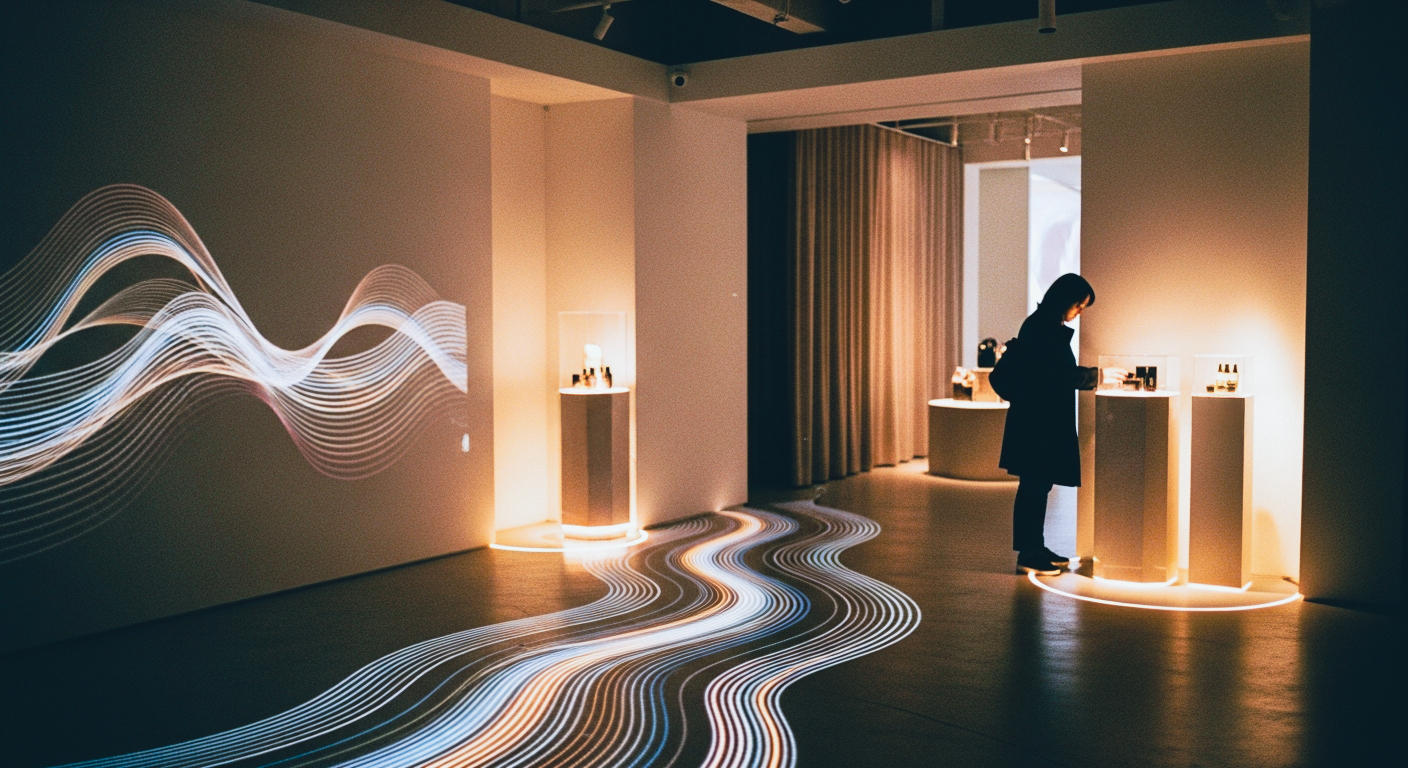
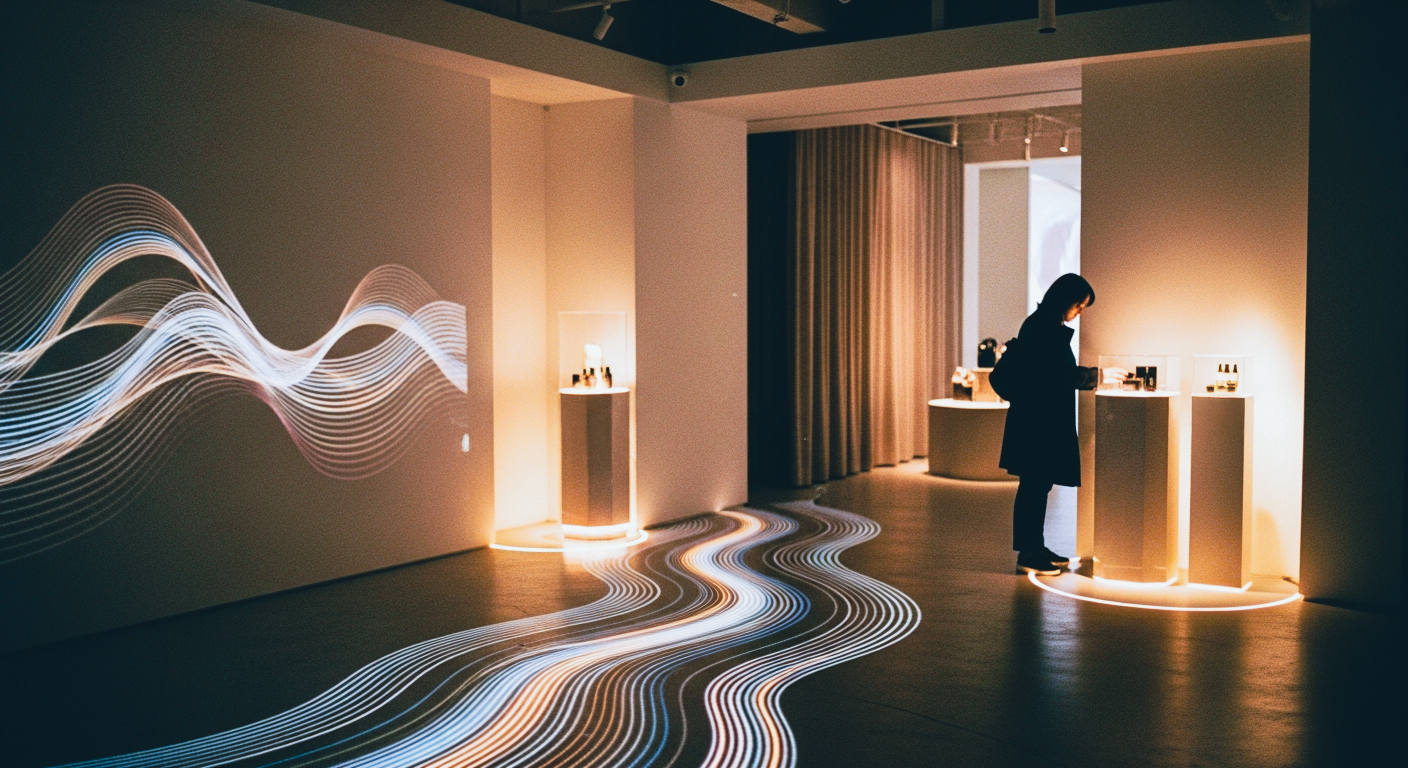
Sight — Immersive wall projection and dynamic lighting transform retail walls and floors into brand worlds. A wellness brand can place customers inside a forest. A furniture retailer can surround them with a beautifully lit living space. Context shapes perception, and perception influences purchase.
Sound — Tempo, volume, and genre all measurably affect dwell time and spend. When audio is designed as part of a cohesive sensory experience, it amplifies every other element in the space.
Scent — The most underused tool in retail, and arguably the most powerful. Smell is processed directly by the brain's limbic system, the seat of emotion and memory. A signature store scent creates a neurological shortcut to brand feeling that no visual asset can replicate. It is why Absolut, Tiffany & Co., Marc Jacobs, Viktor & Rolf and many others have all used Aurora Scent for their brand activations.
Touch — Interactive surfaces invite physical participation. Aurora's Wizefloor projection floor turns passive browsing into active engagement.

Aurora's Retail Solutions
Immersive Spaces
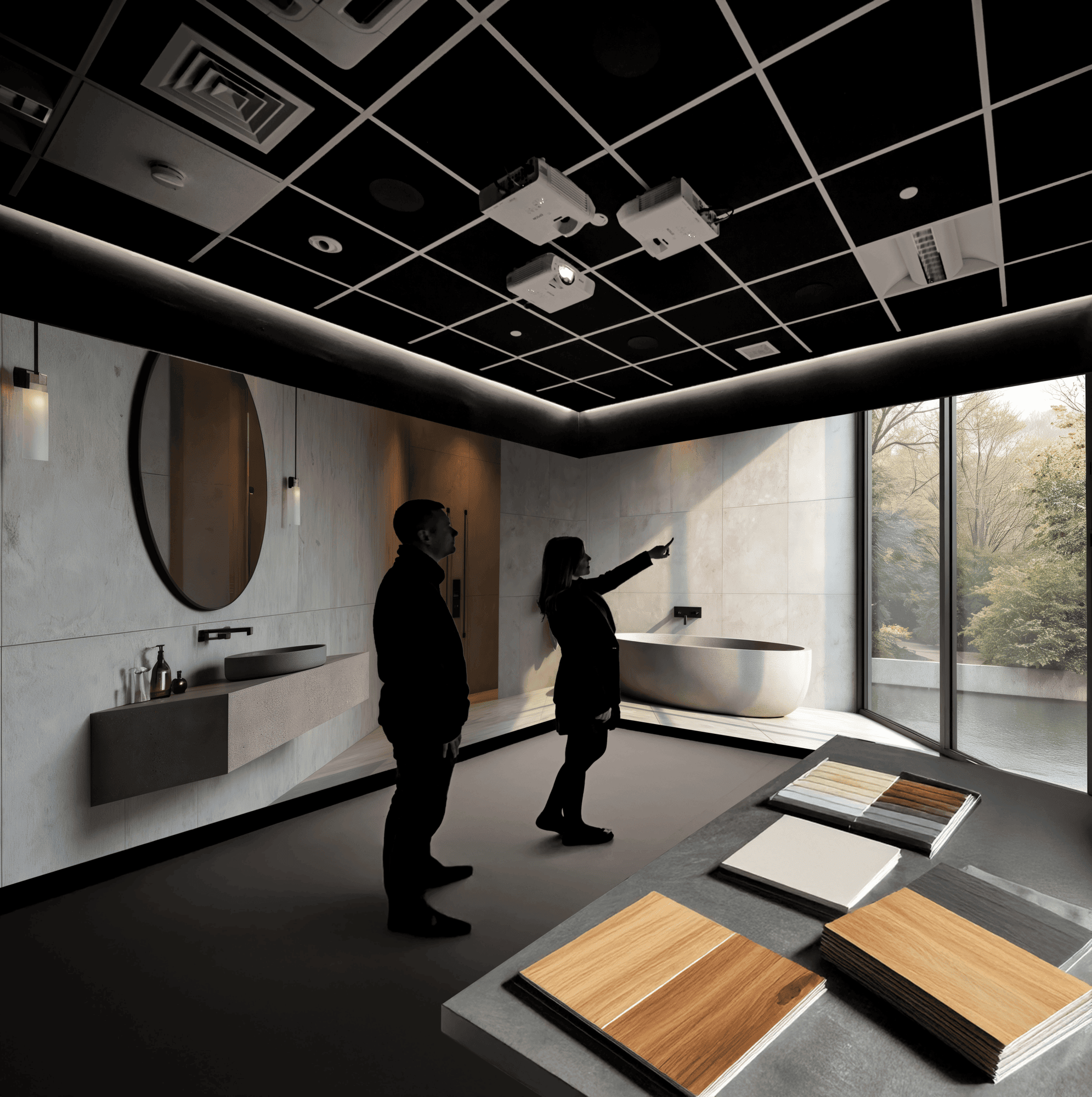
Up to 360 degree stitched projection across walls, synchronised with dynamic lighting, audio, scent, and wind effects, places customers inside a fully realised brand environment. Everything is controlled through the Aurora Console, a simple tablet-based app that lets retail staff shift scenes without technical knowledge.
Ideal for: flagship stores, product launches, seasonal campaigns, showrooms.
Sensory Environments
Calm, considered spaces with soft lighting, tactile features, and controlled atmospheres, designed for wellbeing retail and for the significant proportion of shoppers who find busy environments genuinely uncomfortable. An inclusive sensory zone signals that a brand sees all its customers. That kind of goodwill is very difficult to manufacture through marketing alone.
Ideal for: neurodiverse-friendly spaces, family-focused stores, wellness brands, beauty retail.
Scent Delivery
Dry nebulising and ultrasonic diffusion systems that give retailers precise, consistent control over the olfactory dimension of their space. Bespoke fragrance development is available alongside an extensive pre-formulated catalogue, with control options from simple push-button activation to full automation linked to sensors, digital signage triggers, and DMX systems.
Ideal for: scent branding, seasonal displays, pop-ups, fragrance retail, food and beverage
What the Science Says
The Store of the Future framework is not a prediction about technology. It is a prediction about experience and about the growing expectation that a physical visit should offer something richer and more human than clicking 'add to basket.'
Key commercial outcomes consistently linked to multisensory retail design:
- Increased dwell time
- Higher impulse purchase rates
- Improved brand recall
- Stronger customer loyalty
- Greater social sharing
Designing for Impact: What to Consider
The most effective sensory retail environments are built around one question: what do you want a customer to feel? From that answer, everything else follows. Projection content, scent profile, lighting, audio. Aurora's process begins with the brief, not the hardware.
Principles that consistently shape successful installations:
-
Brand alignment — every sensory layer should belong to the same creative world
-
Flexibility — systems need to shift with seasons, campaigns, and product ranges
-
Accessibility — the best sensory environments are designed for all customers, not just some
Ready to build your brand?